
The complete guide
Choosing a Cordless Leaf Blower for Everyday Garden Cleanup
When sweeping becomes the longest part of the job
A freshly cut lawn can still leave work behind. Grass clippings gather along the path, leaves settle on the patio, and loose debris collects where a broom is awkward to use. A cordless leaf blower gives you another way to bring that material together before collecting it.
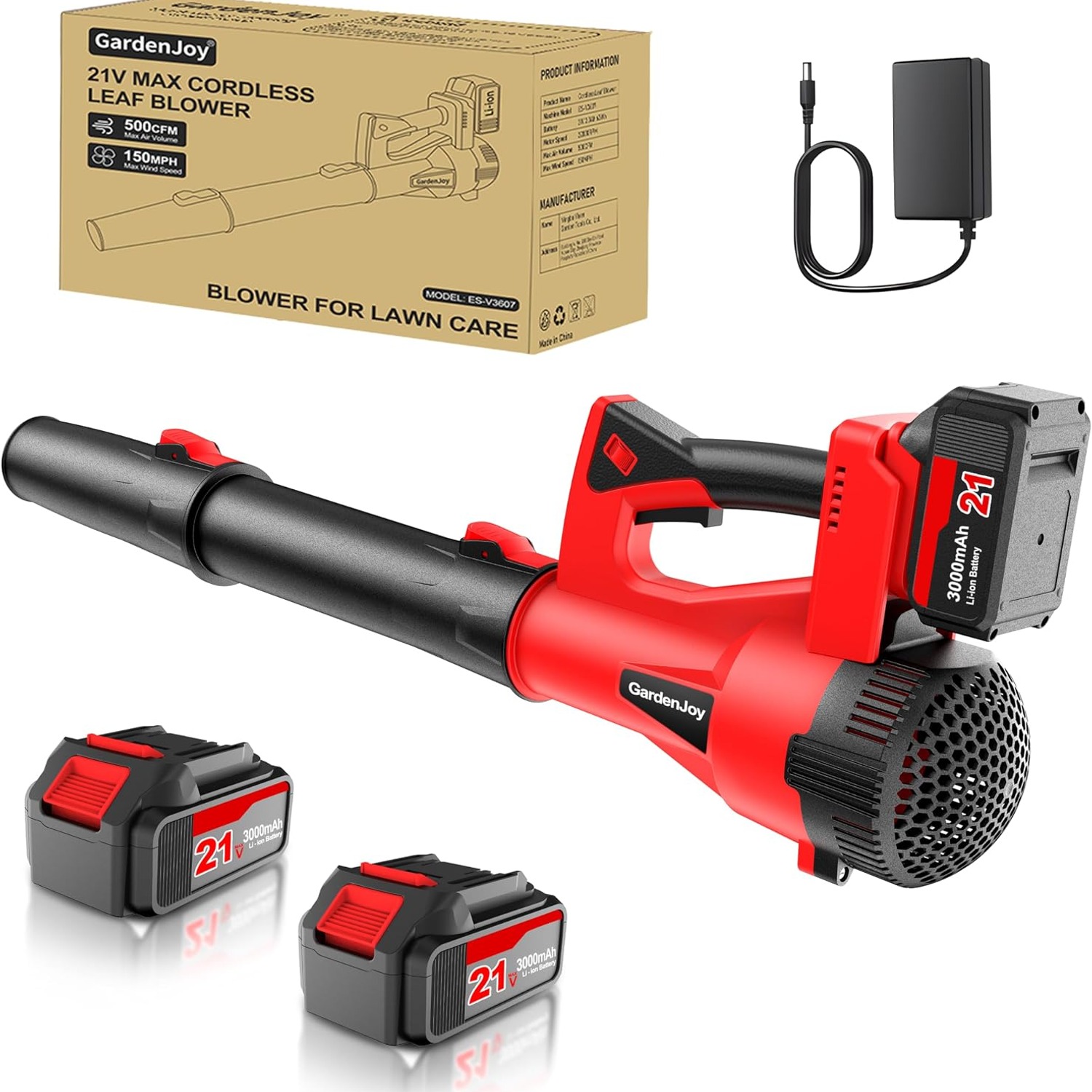
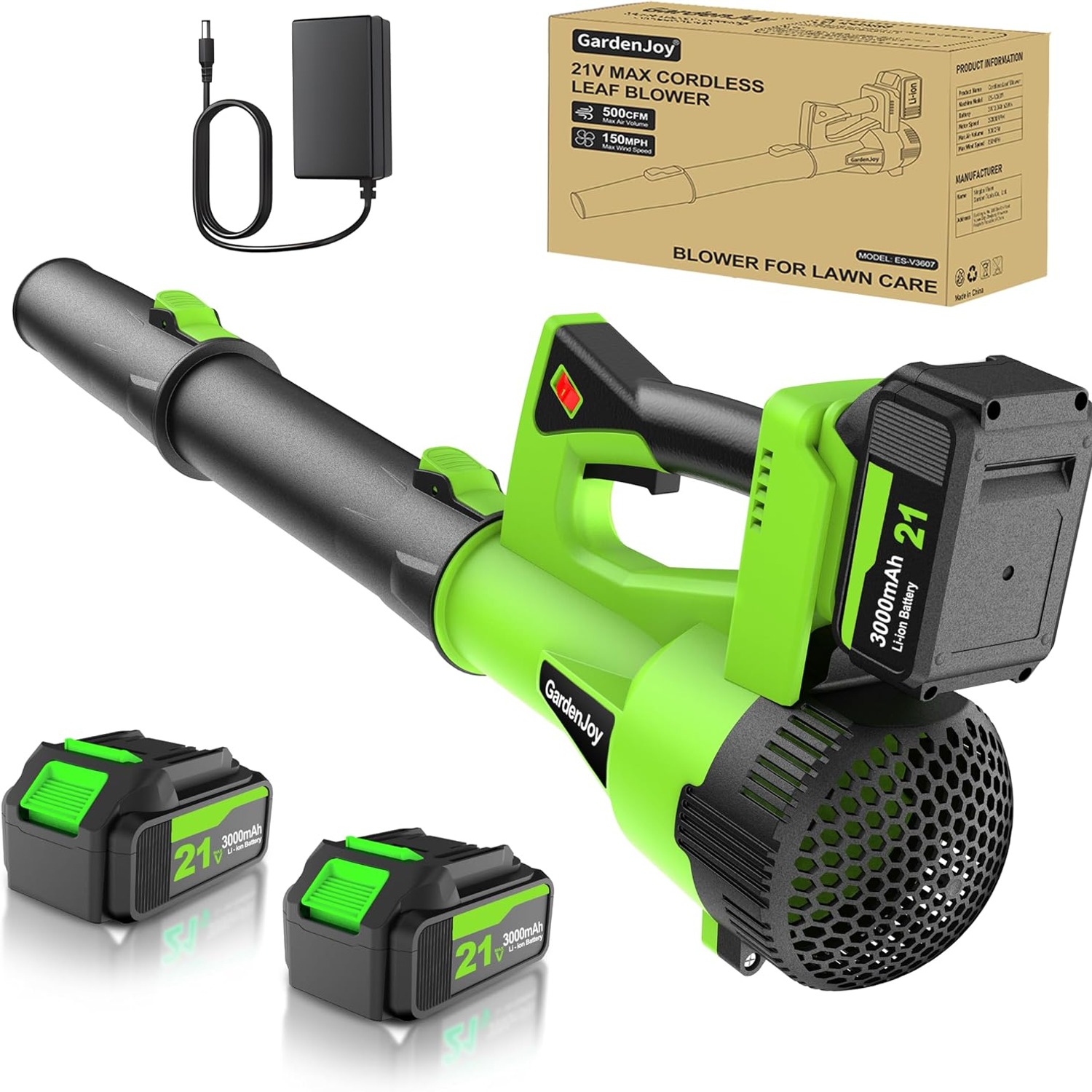
The GardenJoy kit combines a handheld blower with two batteries, a charger and airflow attachments. Its main appeal is freedom from a trailing power cord, with adjustable speed for different jobs.
That does not make it a replacement for every garden tool. It moves debris rather than collecting it, and the record does not promise performance on heavy, wet piles. The useful question is whether it fits the kind of cleanup you do most often.
How the blower helps you clean
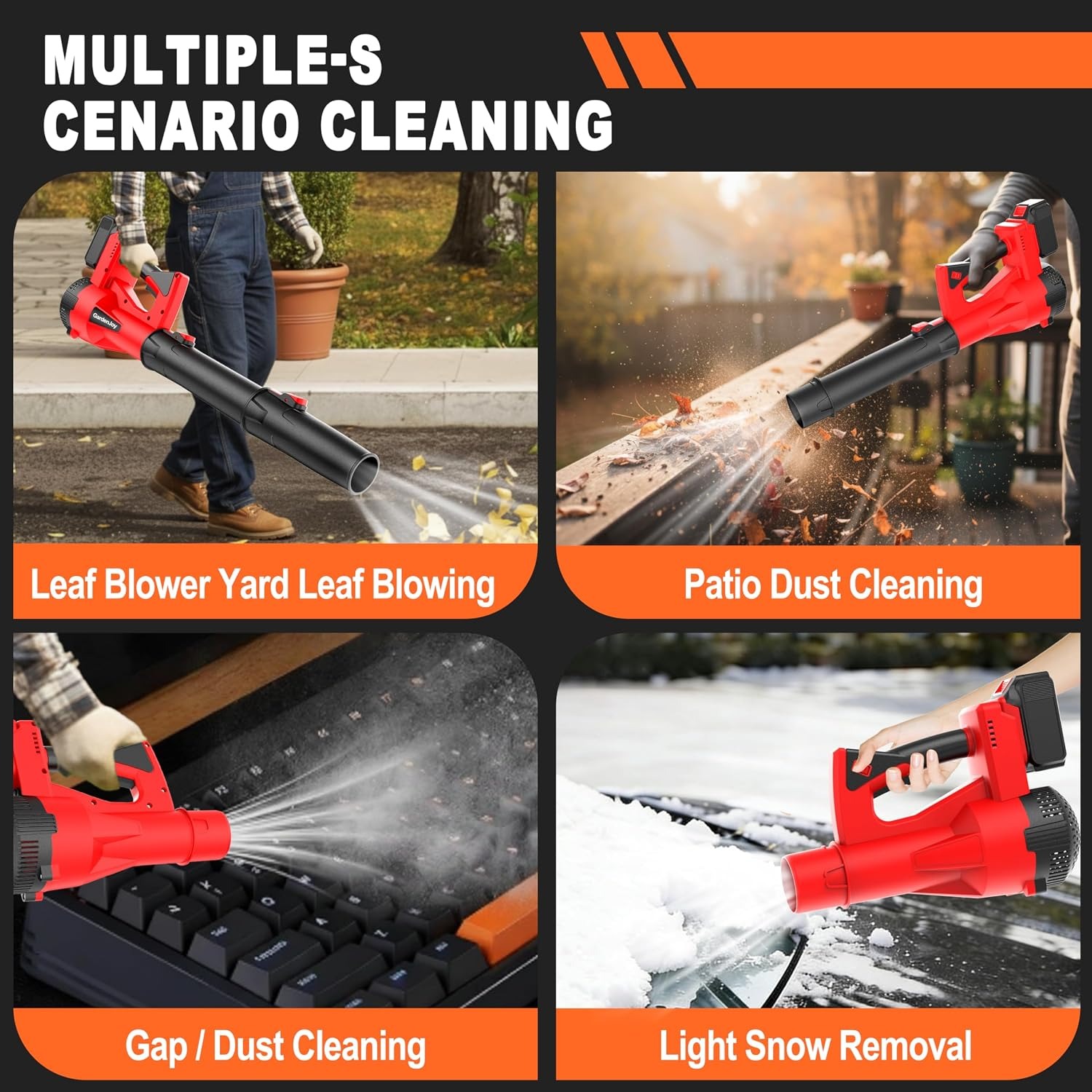
A battery powered leaf blower directs air through a tube to push loose material across a surface. Instead of sweeping each patch, you guide the debris towards a place where it can be gathered.
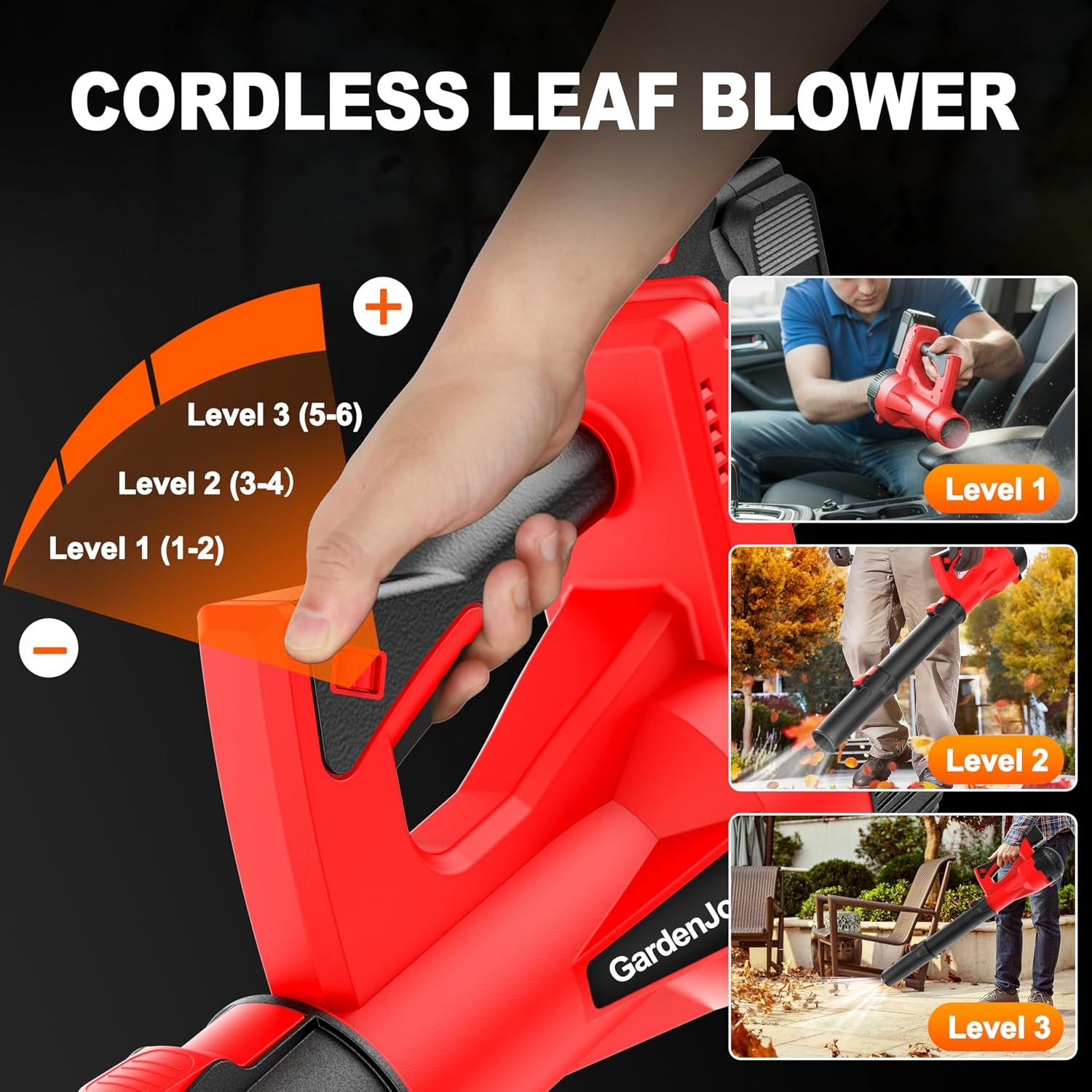
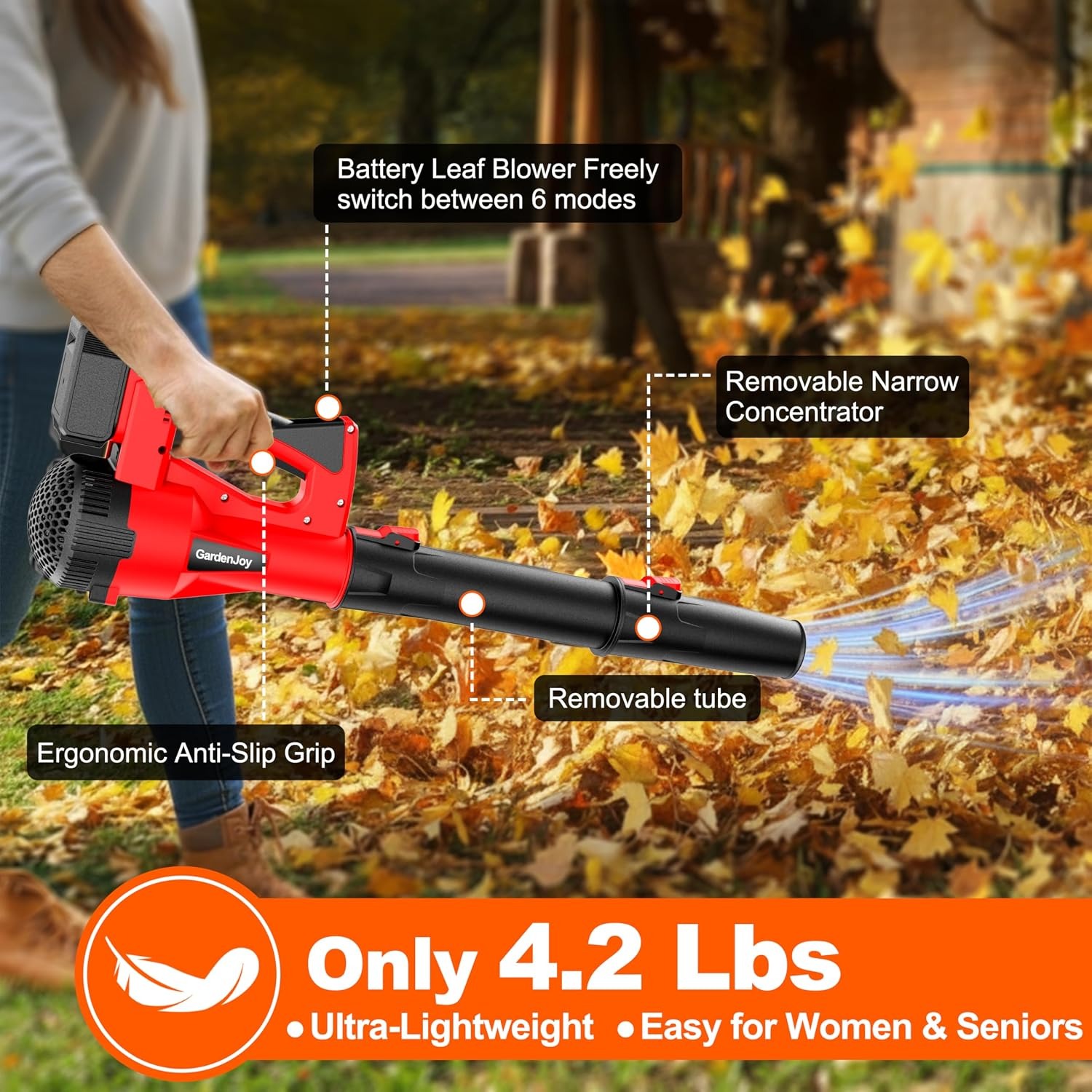
This model has six speed settings. That gives you a choice between gentler airflow and stronger output, rather than one fixed setting for every job. Start low, see how the material moves, and increase the setting only when needed.
Think about the whole task before switching on. Choose a collection point and work towards it. Blowing leaves from one end of a patio to the other without a plan simply moves the work.
A rake, broom or suitable collection method may still be needed at the end. There is no listed vacuum mode or collection bag in this kit.
Understanding the airflow figures
The supplier lists maximum airflow of 500 CFM and maximum air speed of 150 mph. These figures describe different parts of blower performance.
CFM refers to the volume of air moved per minute. Air speed describes how fast the air travels. Both are useful comparison points, but neither tells you exactly how long it will take to clear your own garden.
The record does not give a testing method or output figures for each speed. It also does not say that the maximum airflow and maximum air speed occur under the same conditions.
Use the numbers as part of your decision, not as a guarantee for every surface. Leaf moisture, the amount of debris and the shape of the work area can all affect how you approach the job.
What two batteries change
This leaf blower with battery and charger includes two 21V 3.0Ah batteries and a fast charger. Having a second battery gives you a swap option instead of relying on one pack alone.
The supplier does not state runtime. There is also no charging duration, so it would be misleading to promise a certain number of minutes or uninterrupted work all afternoon.
For a sensible routine, check the charge before you start and keep expectations tied to the job in front of you. A short patio cleanup and a full garden session are not the same demand.
Follow the included instructions for charging and battery storage. Do not assume that another brand's 21V battery will fit or work safely. Voltage alone does not confirm compatibility.
Who this handheld design may suit
This cordless garden blower is worth considering if you regularly move between a lawn, path and patio. You are not tied to the reach of an extension lead, which can make scattered cleanup spots less awkward to reach.
The tool is listed at 1.9 kg. That is useful information when comparing a lightweight leaf blower, but it cannot tell you how comfortable it will feel in your hand. Grip, reach and the length of a session matter too.
The record does not clarify whether that weight includes an attached battery. If lifting comfort is a key concern, ask for confirmation before ordering.
For larger or more demanding jobs, the missing runtime figure deserves attention. Match the tool to your routine rather than assuming that a handheld format suits every property.
Choosing settings for lawns and hard surfaces
As a lawn leaf blower, this model is intended to move leaves and loose clippings. Begin with a small section so you can see how the material responds before working across a wider area.
On a patio or driveway, use enough airflow to move debris without scattering it farther than needed. Corners and edges often call for more care than an open patch.
Keep the airflow pointed away from people, pets and vehicles. Loose stones and other small objects can become hazards, so inspect the area before starting.
A leaf blower for grass clippings is most useful when it helps you gather material for disposal. Avoid sending it onto the road, into drains or across a neighbour's boundary. A controlled pile is a better result than a cleared patch with debris everywhere else.
Know the limits before buying
Wet leaves are a common reason buyers feel disappointed with a blower. This record does not provide a wet-leaf performance test, so there is no firm basis for promising how it will handle a soaked, compacted pile.
The same caution applies to heavy debris and stubborn dirt. A blower moves material with air. It is not listed as a pressure washer, scraper or vacuum.
If your main job is loose leaf removal after a dry day, that fits the stated use more closely. If you mostly face matted leaves in a large garden, seek more detail before deciding.
The best handheld leaf blower for you is the one that suits your usual work, not just the one with an appealing maximum speed.
Noise, dust and shared spaces
The listed noise level is 78 dB. No measuring distance or test method is supplied, so do not treat that number as proof that neighbours will barely hear it.
Check local rules on powered garden equipment and choose a considerate time to work. Follow the manual's hearing protection guidance. Suitable eye protection is also important when moving loose debris.
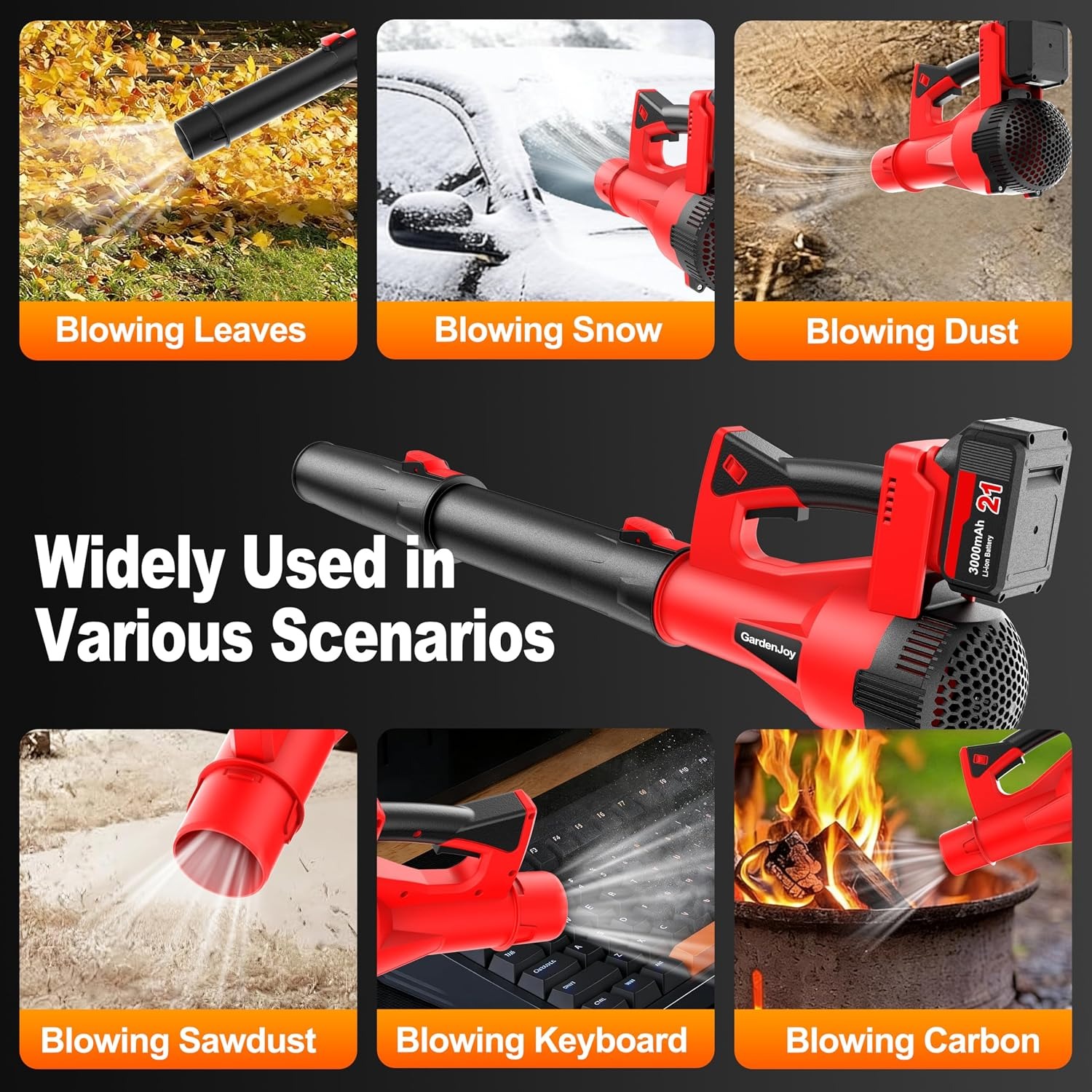
The listing mentions garage, household and car interior cleaning. Those uses need care because blowing dust can put it into the air rather than remove it from the space.
Avoid hazardous dust and do not direct airflow at delicate parts. Where dust needs to be captured, a suitable vacuum may be a better choice. A blower should not be treated as a safe way to disperse unknown material.
Check the kit and specifications carefully
The box is listed as containing the blower, blow tube, extension nozzle, two batteries, fast charger and user manual. Read the manual before assembling the tool or charging a battery.
Supplier details describe a red plastic tool with listed item dimensions of 23 x 17 x 44 cm. The measurement state is not explained, so those figures should not be treated as confirmed assembled reach or storage clearance.
One specification labels 63 watt-hours as wattage. Watt-hours measure energy, not motor power. It is better to recognise that distinction than compare the figure directly with another tool's watt rating.
The listed manufacturer warranty is one year. Check the terms for coverage and the claim process, particularly if warranty support is important to your buying decision.
Care that keeps the tool ready
Switch off and remove the battery before cleaning or checking the blower. Look over the tube and nozzle for damage, and keep loose debris away from air openings.
Use a dry cloth on the housing. No water resistance rating is supplied, so avoid assuming the tool can be hosed down or left outside in wet weather.
Store the equipment somewhere dry and follow the manual for battery care. Keep the charger protected from moisture and inspect parts before the next session.
Small checks are easier than dealing with a problem halfway through cleanup. If something is damaged or operation seems unusual, stop and seek guidance rather than continuing to use it.
Before you place the order
Compare the kit with the jobs you actually want to finish. The six settings, two supplied batteries and cordless format are clear features. Runtime, charge time and wet-leaf capability remain unspecified.
Check the delivery estimate for your address at checkout. This record does not provide a fixed delivery timeframe, and it does not set out a returns window.
Read the current returns policy before using the tool, especially if weight or handling comfort could affect your choice. Keep the packaging and documentation while you check the contents and understand the store's conditions.
The short version
The GardenJoy 21V kit offers a cordless way to gather leaves, clippings and loose debris. It includes six speed settings, two 3.0Ah batteries and a fast charger, with a listed tool weight of 1.9 kg.
Choose it based on your everyday cleanup needs. Allow for the missing runtime information, work safely, and remember that blowing debris into a pile is only part of finishing the job.